Norwegian Jet Air-ambulance for Highly Infectious Patients
Rapid-response medical evacuation and hospital-to-hospital transfer across the EUCPM area, for patients with high consequence infectious diseases (HCIDs), burn injuries, CBRN exposure or a need for ECMO.
Specialised air transport for the most demanding patients.
NOJAHIP was established under the rescEU programme to meet an identified need: the safe air transport of patients with high consequence infectious diseases (HCIDs). The service has been on call since 1 March 2022.
The same expertise now serves a wider group of patients. Today we also transfer burn patients, patients exposed to CBRN agents and patients on ECMO, from hospital to hospital throughout the EUCPM area.
Based in Norway, NOJAHIP builds on 20 years of experience from the Norwegian Air Ambulance service.
Safe transfers for patients, caregivers and surroundings.
We offer a safe and flexible transport solution for patients with HCIDs, burn injuries, CBRN exposure or a need for ECMO throughout the UCPM coverage area. Before every mission we work closely with local stakeholders at both the sending and the receiving end, so that all parties agree on the safety measures for the transfer.
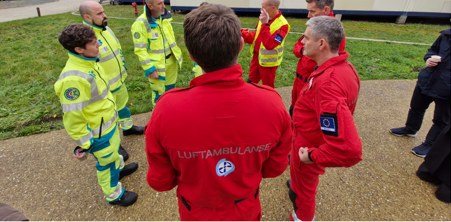
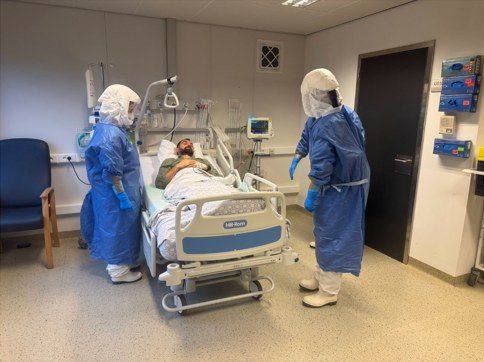
To prepare for real missions, we gladly take part in relevant meetings and exercises.
Rapid-response medevac and patient transfer.
For patients with suspected or confirmed HCID, CBRN exposure or injury, burns, or a need for ECMO.
Hospital to hospital
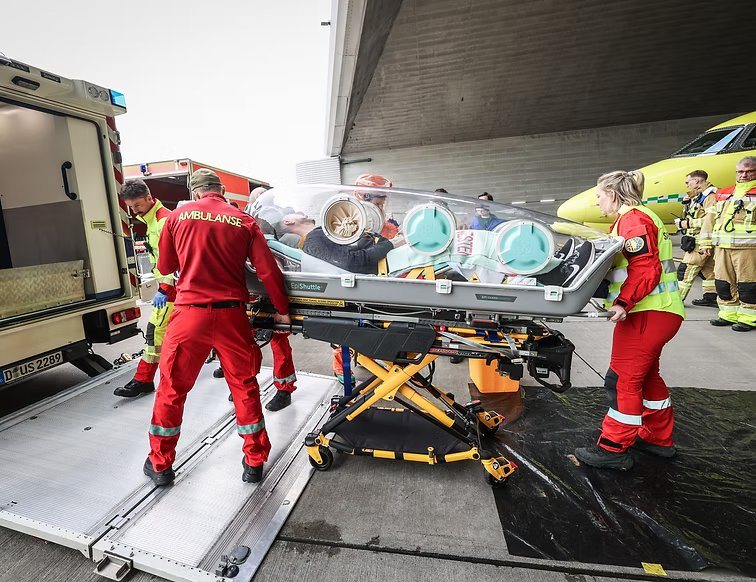
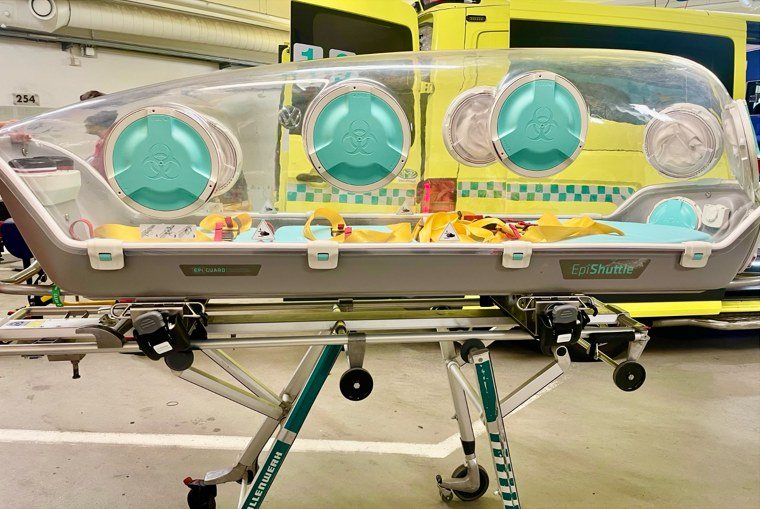
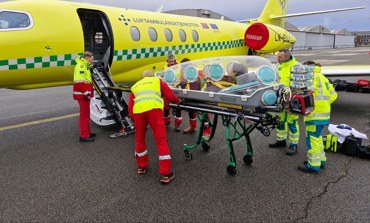
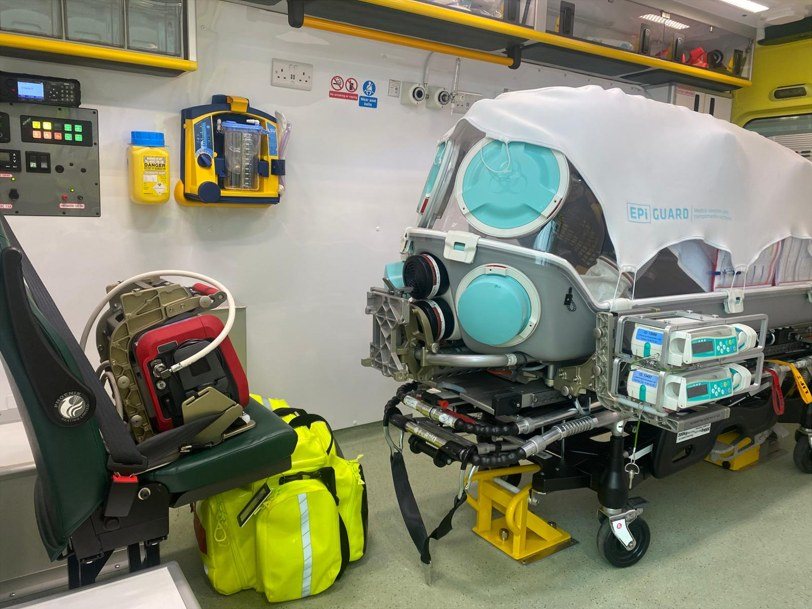
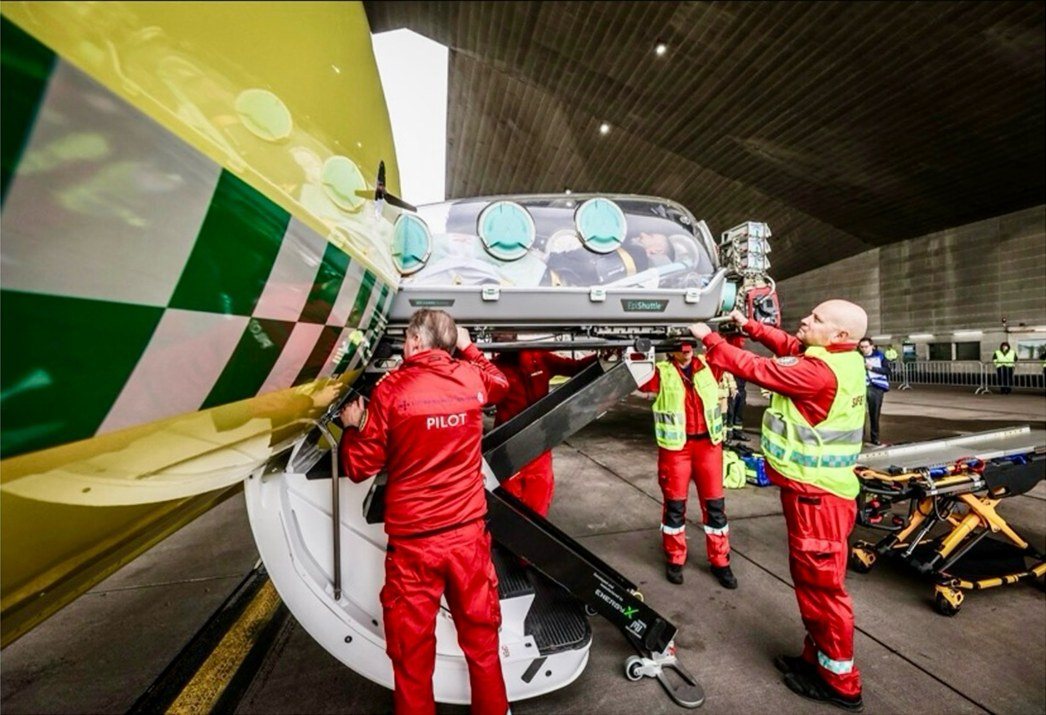
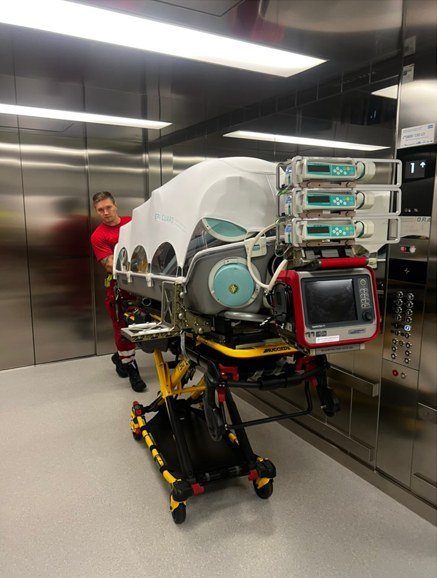
Every transfer runs from hospital to hospital. HCID patients travel in the EpiShuttle isolation unit.
Self-sustained teams
Teams bring all their own equipment. Only ground transport is arranged locally.
Ready within 24 hours
Available 24/7/365, with take-off from Oslo Airport within 24 hours of mission acceptance.
More than HCID
The service also covers burn patients, patients exposed to CBRN agents and patients on ECMO.
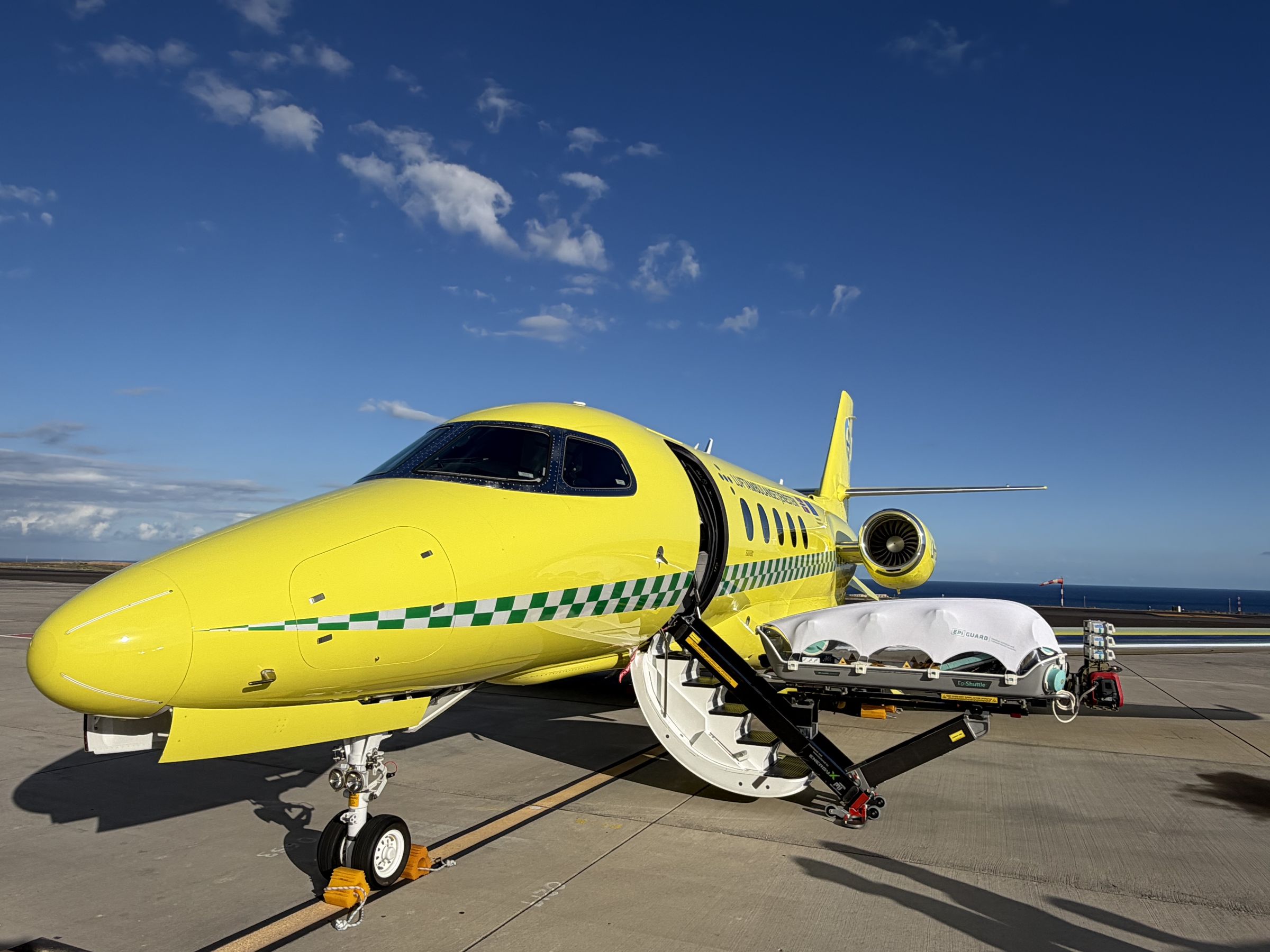
Cessna 680A Citation Latitude
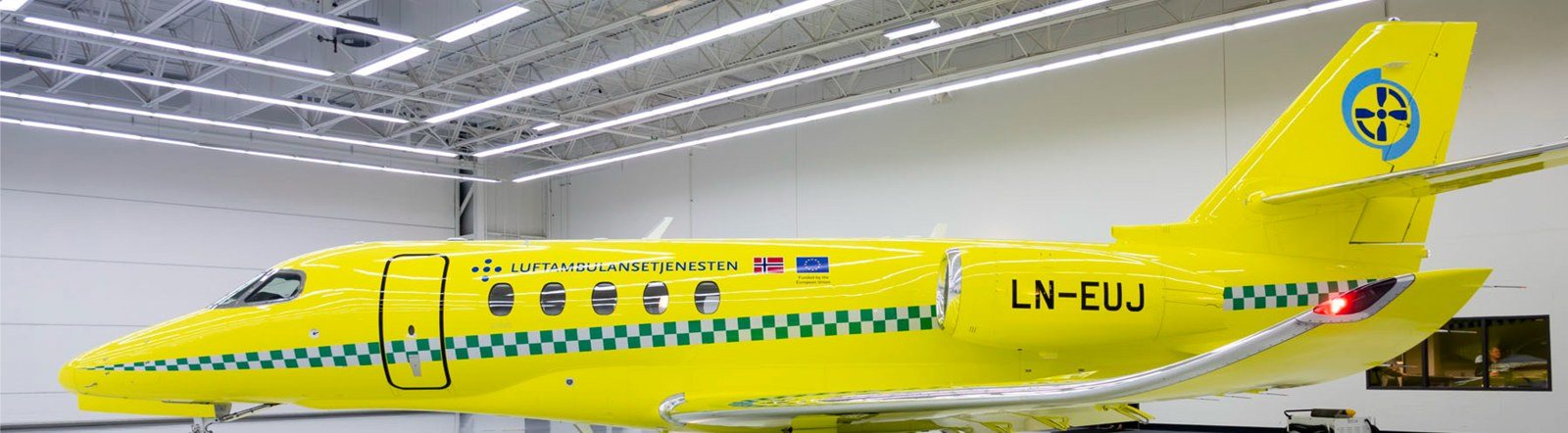
Approximately 2,700 nautical miles without refuelling.
A sea-level cabin is possible when flying up to 25,000 ft.
When isolation is not required, the aircraft can carry up to two intensive care patients, including patients on mechanical ventilation.
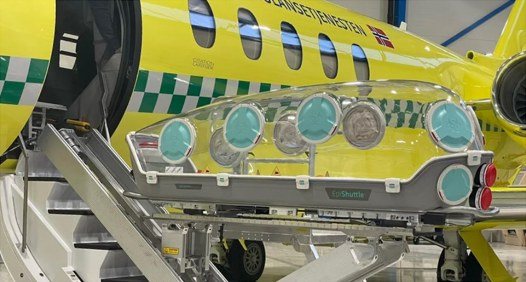
A dedicated system for loading the patient into the aircraft cabin.
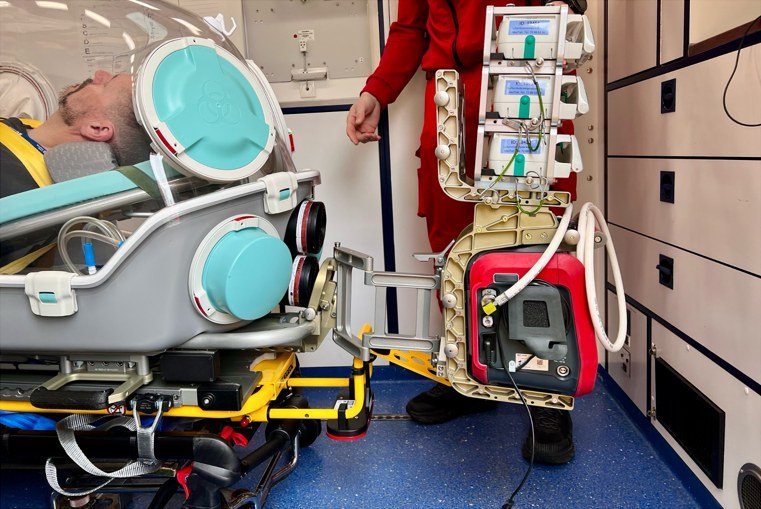
The EpiShuttle
One patient is transported in an EpiShuttle with negative interior pressure and A2P3/CBRN air filtration. Our setup allows us to care for patients ranging from conscious, stable patients to those needing critical care interventions.
The treatment needed before departure depends on the length of the transfer and the condition of the patient.
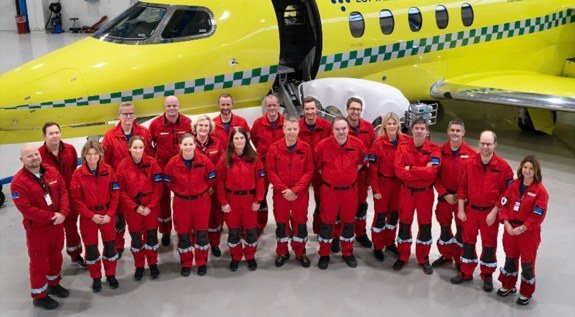
Seven national teams, trained for the most complex patient transfers.
Every mission crew
Competence
- Extensive training and certification in HCID transport
- Re-training twice a year
- E-learning courses
- EBA-EMSB certification
- CRN standardisation course from the Norwegian CBRNe Centre
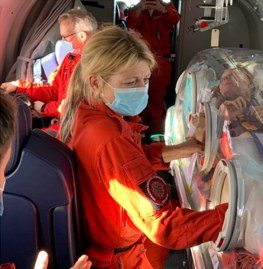
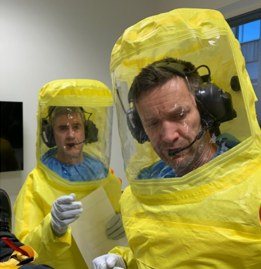
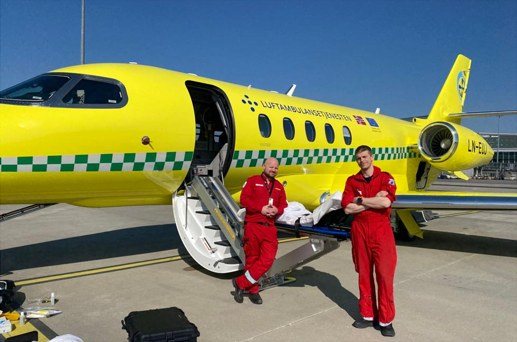
Trained, drilled, ready.
Rescue Borealis / THOR
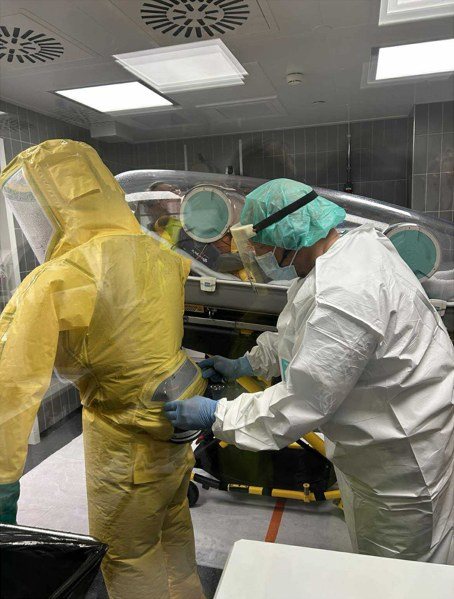
Volare exercise
Recurrent training
All teams re-train twice a year, supported by e-learning courses between sessions.
Joint exercises
We are happy to take part in exercises with hospitals and ambulance services at both ends of the transfer.
Contact
nojahip@gmail.com